-
 STOP THE WASTE INCINERATOR AT MILLTOWN ROAD BENBURBHere are some of the main reasons why this application should be rejected: Health Incinerators are a known source of harmful and persistent pollutants, many of which are bio accumulators that have well documented links to a range of respiratory, cardiovascular, reproductive and immune system related illnesses. Agriculture & Fisheries The development is proposed in a location surrounded by lands used for grazing livestock and cultivating crops. As above, given the potential emissions there are serious concerns about the potential impact on animal health and the food chain, especially considering the proposal to handle medical and veterinary waste. The proposed site is located in the Blackwater valley close to the Blackwater River - a popular angling resource that outfalls to Lough Neagh. Natural & Built Heritage The site is in an area with a rich biodiversity and historical heritage: close to Milltown & Benburb local wildlife sites; Benburb village; Milltown Valley Heritage Centre; Ulster Canal; Benburb Priory & Castle; and the Battle of Benburb battle site. Economics The development has the potential to adversely impact: property valuations; future residential planning; and the well-established agricultural economy and tourism potential in the area. Traffic The site can only be accessed via single lane roads that are already in poor condition and busier than ever before. Development would increase the pressure on the traffic infrastructure and related road safety. Nuisance The proposed 24/7 operation presents potential risk to the health and well-being of local residents due to noise, vibration, stress, as well as odour and vermin commonly associated with such installations. Further information can be viewed at: Website: www.raincampaign.co.uk Facebook: www.facebook.com/rainbenburb Instagram: www.instagram.com/rain_campaign1,734 of 2,000 SignaturesCreated by Residents Against Incineration - RAIn
 -
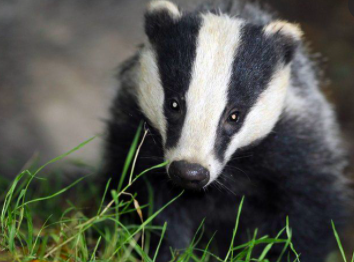 Tell Poots to stop the badger CullBadgers are not the cause of TB in cattle, and 8 out of 10 badgers here are healthy Badgers are a valued native species, protected by law under the Wildlife NI Order 1985 and the Bern Convention. According to Ulster Wildlife, twenty-five per cent of the European population is found in the UK, so we have an international responsibility to conserve and protect them. Vaccination should be used as a way to control bovine TB in the badger population. The most comprehensive scientific study of the effect of badger culling on levels of bovine TB in badgers and cattle in the world took place 1998 - 2006 and concluded ‘badger culling can make no meaningful contribution to cattle TB control in Britain’.473 of 500 SignaturesCreated by Nicola Browne
 -
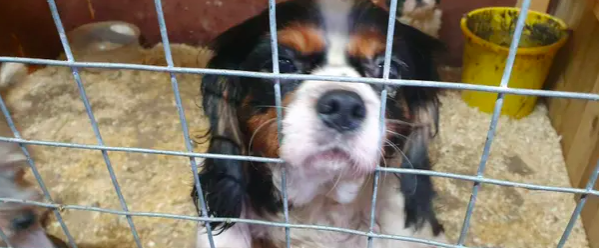 Tackle the illegal puppy trade in Northern IrelandMany puppies involved in the illegal trade are malnourished and diseased, with an estimated one-third dying in the hands of their new families, and breeding dogs are being kept in squalid conditions, in cages, overbred and abused. Hundreds of puppies are for sale in the Belfast area, where there is not one official licensed breeder. Unscrupulous breeders are taking advantage of the gaps in law and regulation to make thousands of pounds, and causing misery to puppies and dogs. https://www.theguardian.com/world/2021/oct/20/the-new-drugs-northern-ireland-gateway-for-150m-puppy-trade https://www.bbc.co.uk/news/av/uk-northern-ireland-589649481,898 of 2,000 SignaturesCreated by Nicola Browne
 -
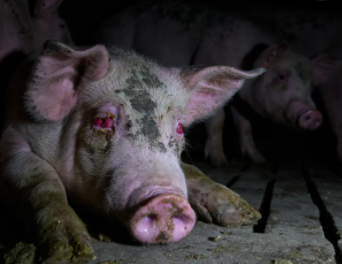 No more Factory Farms in Northern IrelandIntensive farms like the one currently planned for would mean up to 40,000 pigs would be confined indoors in overcrowded, barren concrete pens. The animals are often treated with antibiotics to keep them alive in such horrendous conditions, and their waste contains ammonia which causes respiratory problems in humans and pollutes sensitive natural habitats. According to the Bureau for Investigative Journalism, Co Tyrone has the fifth highest number of indoor reared livestock in the UK, with Co Antrim placed at eighth. The two counties have a combined total of 13.5 million animals reared indoors.45 of 100 SignaturesCreated by Nicola Browne
.png)