-
 STOP THE WASTE INCINERATOR AT MILLTOWN ROAD BENBURBHere are some of the main reasons why this application should be rejected: Health Incinerators are a known source of harmful and persistent pollutants, many of which are bio accumulators that have well documented links to a range of respiratory, cardiovascular, reproductive and immune system related illnesses. Agriculture & Fisheries The development is proposed in a location surrounded by lands used for grazing livestock and cultivating crops. As above, given the potential emissions there are serious concerns about the potential impact on animal health and the food chain, especially considering the proposal to handle medical and veterinary waste. The proposed site is located in the Blackwater valley close to the Blackwater River - a popular angling resource that outfalls to Lough Neagh. Natural & Built Heritage The site is in an area with a rich biodiversity and historical heritage: close to Milltown & Benburb local wildlife sites; Benburb village; Milltown Valley Heritage Centre; Ulster Canal; Benburb Priory & Castle; and the Battle of Benburb battle site. Economics The development has the potential to adversely impact: property valuations; future residential planning; and the well-established agricultural economy and tourism potential in the area. Traffic The site can only be accessed via single lane roads that are already in poor condition and busier than ever before. Development would increase the pressure on the traffic infrastructure and related road safety. Nuisance The proposed 24/7 operation presents potential risk to the health and well-being of local residents due to noise, vibration, stress, as well as odour and vermin commonly associated with such installations. Further information can be viewed at: Website: www.raincampaign.co.uk Facebook: www.facebook.com/rainbenburb Instagram: www.instagram.com/rain_campaign1,769 of 2,000 SignaturesCreated by Residents Against Incineration - RAIn
 -
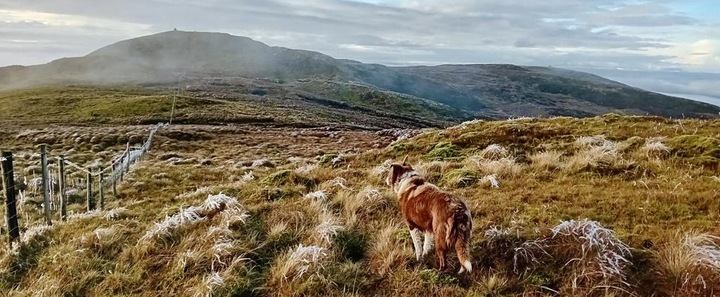 Protect Northern Ireland’s PeatlandsPeatlands must come first. Northern Ireland should introduce an immediate moratorium on industrial-scale development on peatlands until a comprehensive assessment and mapping programme has been completed and robust protections are in place. Peatlands are vital natural allies in the fight against climate change. They are among the most carbon-rich ecosystems on Earth, storing carbon that has accumulated over thousands of years. Although they cover only 3% of the world’s land surface, they store more carbon than all the world’s forests combined. When peatlands are drained, excavated, or disturbed, they can release this stored carbon and become a source of emissions rather than a natural climate solution. All peatlands should be protected, whether they are pristine, damaged, degraded, or in recovery. Degradation should not be used as a justification for further destruction. Instead, damaged peatlands should be restored wherever possible, recognising their importance for biodiversity, water quality, flood management, archaeology, and climate resilience. Developers should not be permitted to rely on mitigation, compensation, restoration proposals, peat reuse, or biodiversity offsetting to justify development on peatlands. Once peatland is disturbed, its ecological, hydrological, and carbon storage functions can be permanently altered, and replacement cannot replicate what has been lost. Peatlands are not vacant land waiting for development, they are living ecosystems that have taken thousands of years to form and are part of Northern Ireland’s natural heritage. The presumption should always be protection and restoration, not industrialisation. Northern Ireland’s peatlands are ancient, irreplaceable, and essential. They must be assessed, protected, and restored for future generations, not sacrificed for short-term development.90 of 100 SignaturesCreated by Save the Moat Save the Sperrins
-
)%204.png.PNG) No Power-hungry Data Centres in Northern IrelandIn October 2024, Derry City & Strabane District Council approved planning permission for the North’s first AI hyperscale data centre at Foyle Port, with outline permission granted for three more. We now know that AI data centres can carry enormous environmental costs. Yet the Northern Ireland Executive is calling for the expansion of data centres across Northern Ireland. Hyperscale data centres place huge demands on electricity and water. They require enormous amounts of energy to operate and vast amounts of cooling, either consuming millions of litres of water or requiring even more electricity or both. There is also a connection application for a massive 300MW data centre at Kilroot. These developments are being driven by some of the world’s wealthiest technology corporations, including Amazon, Google and Meta. Northern Ireland should not be expected to sacrifice its water, energy security, environment and jobs to meet the ever growing demands of multinational tech companies. There is also a serious risk that the expansion of AI data centres will increase emissions and prolong dependence on fossil fuels. These centres operate 24/7 and require a constant, reliable supply of electricity. At the same time, growing electricity demand is being used to justify bringing in more large scale wind developments in our designated Areas of Outstanding Natural Beauty, causing further damage to landscapes and communities. The Northern Ireland Executive has now published an AI Strategy, which is open for consultation until 7 October. It states: “Our natural resources could establish us as a pioneer in green data centre provision, and with that a magnet for foreign direct investment.” The Executive is also using high levels of wind curtailment as an argument for attracting huge new data centres to consume this electricity. But the answer to a failing or constrained grid is not to create enormous new sources of electricity demand. If large amounts of renewable electricity are being wasted, then we should be addressing the reasons why, i.e. grid constraints, where generation is being built, transmission capacity and how our electricity system operates. We should not use those failures as justification for bringing in energy hungry hyperscale data centres. Northern Ireland needs to decide what its limited energy and water resources are actually for. Are they for homes, communities, public services and sustainable local industry, or for AI hyperscale data centres? We are therefore demanding an immediate review of the planning and approval process for data centre developments in Northern Ireland, a comprehensive public consultation on their cumulative impact on energy, water, emissions, infrastructure and the environment, and a ban on any more data centre approvals. Our water and energy security are more important than feeding the limitless appetite of billionaire tech corporations. https://www.savethemoat.com/blog-post5,765 of 6,000 SignaturesCreated by Save the Moat and The Environmental Gathering
No Power-hungry Data Centres in Northern IrelandIn October 2024, Derry City & Strabane District Council approved planning permission for the North’s first AI hyperscale data centre at Foyle Port, with outline permission granted for three more. We now know that AI data centres can carry enormous environmental costs. Yet the Northern Ireland Executive is calling for the expansion of data centres across Northern Ireland. Hyperscale data centres place huge demands on electricity and water. They require enormous amounts of energy to operate and vast amounts of cooling, either consuming millions of litres of water or requiring even more electricity or both. There is also a connection application for a massive 300MW data centre at Kilroot. These developments are being driven by some of the world’s wealthiest technology corporations, including Amazon, Google and Meta. Northern Ireland should not be expected to sacrifice its water, energy security, environment and jobs to meet the ever growing demands of multinational tech companies. There is also a serious risk that the expansion of AI data centres will increase emissions and prolong dependence on fossil fuels. These centres operate 24/7 and require a constant, reliable supply of electricity. At the same time, growing electricity demand is being used to justify bringing in more large scale wind developments in our designated Areas of Outstanding Natural Beauty, causing further damage to landscapes and communities. The Northern Ireland Executive has now published an AI Strategy, which is open for consultation until 7 October. It states: “Our natural resources could establish us as a pioneer in green data centre provision, and with that a magnet for foreign direct investment.” The Executive is also using high levels of wind curtailment as an argument for attracting huge new data centres to consume this electricity. But the answer to a failing or constrained grid is not to create enormous new sources of electricity demand. If large amounts of renewable electricity are being wasted, then we should be addressing the reasons why, i.e. grid constraints, where generation is being built, transmission capacity and how our electricity system operates. We should not use those failures as justification for bringing in energy hungry hyperscale data centres. Northern Ireland needs to decide what its limited energy and water resources are actually for. Are they for homes, communities, public services and sustainable local industry, or for AI hyperscale data centres? We are therefore demanding an immediate review of the planning and approval process for data centre developments in Northern Ireland, a comprehensive public consultation on their cumulative impact on energy, water, emissions, infrastructure and the environment, and a ban on any more data centre approvals. Our water and energy security are more important than feeding the limitless appetite of billionaire tech corporations. https://www.savethemoat.com/blog-post5,765 of 6,000 SignaturesCreated by Save the Moat and The Environmental Gathering
-
 Share the Shore in GreenislandThe shore of Belfast Lough is special - lovely walks at low tide, seals, birds, the beach. It's a perfect place for people to enjoy, and to improve their physical and mental health, and appreciate our natural environment. Yet it's closed off. Access denied! NIWater and MEABC have the power to change that. So simply open the gate, and #ShareTheShore!615 of 800 SignaturesCreated by Shane McKee
 -
 Make Integrated Education A PriorityIt's been 40 years since the first integrated school was started here, but in 2022 only 7.5% of schools here are integrated schools - bringing together children from all backgrounds - Catholic, Protestant and other. But there is overwhelming demand: 71% of people here believe our children should be educated together. Stormont has commissioned a new Independent Review of Education that could change everything - but we need you to tell them integrated education matters to you so that they make recommendations to promote integrated education! Now's your chance to speak up! Email the panel members now and tell them that you want to live in a future where all our children are educated together, promoting reconciliation.264 of 300 SignaturesCreated by Adam McGibbon
.png)