-
 Monitor Mental Health Provision in SchoolsIf mental health promotion was given a more central and compulsory role in the curriculum the wellbeing of the young people would improve. The communities we work in are some of the most deprived areas in the UK. The suicide rate is around 70% higher in deprived areas than non-deprived areas, and rates of pupils needing tuition due to anxiety and mental health continues to be high. We need schools and the Education Authority to monitor how our schools are addressing mental health.1,016 of 2,000 SignaturesCreated by rory doherty
 -
 Lower the voting age to 16 years old in Northern Ireland!Young people across the UK and Ireland currently live in an electoral postcode lottery. 16 and 17 year olds in Scotland and Wales are allowed to vote in local and Parliamentary elections, while their peers in Northern Ireland cannot. Scotland and Wales join a host of other nations across the world which have chosen to extend voting rights to their young citizens, including: • Austria • Brazil • Cuba • Ecuador • Parts of Germany • Greece • Malta • Nicaragua, and more! Young people living in Northern Ireland feel disenfranchised and unsupported by our political system. Lowering the voting age to 16 will give our young people a democratic voice, ensuring that their voices can be heard on the issues that matter to them. Why now? Recent comments by Labour leader Sir Keir Starmer in support of votes at 16 have sparked some heated public debate on the issue. Many of the arguments put forward have been based on assumptions about young people's behaviour, maturity and competence. But we no longer need to rely on assumptions - we can look at the international evidence! 1. Young people are capable and engaged - when faced with situations that require unhurried, deliberate consideration - 'cold cognition' - 16 year olds demonstrate judgement as mature as that of adults. In the weeks and months before an election, young people have time to use their cold cognition skills, gathering evidence and talking to their friends, family and peers before making an informed decision. 2. Many young people are political activists and campaigners - globally and locally, 16 and 17 year olds have campaigned for climate action, better mental health services, RSE and much more. 3. Young people have minds of their own - it's true that in most European countries, young people tend to support left-leaning parties in higher numbers than adults. But just like adults, young people hold a range of views and opinions from across the political spectrum (see trends in Austria, Germany and Scotland) 4. Younger voters are lifelong voters - at age 18, many young people are in a transitional phase of life - leaving school, starting uni or work, moving out of the family home or their hometown. They might not be familiar with local issues and candidates, or with voting registration systems and requirements. These conditions can dampen rates of voter turnout. But at the ages of 16 and 17, young people are more likely to in environments with strong socialisation influences, like the family home and school. Evidence from Scotland shows that when they are given the right to vote, 16 and 17 year olds turn out in greater numbers than those aged 18 - 24! 5. Respect for fairness and equality - young people aren't just citizens of the future - they're full and equal citizens now! At the age of 16, young people in NI can work, pay taxes, provide care for loved ones, get married and serve in the Armed Forces. They're an active and valuable part of society - why shouldn't they have a say in how things are governed? The importance of education When 16 and 17 year olds are granted the right to vote in Northern Ireland, it is vital that this is accompanied by plans to develop high-quality civic education. Deliberative political literacy education can help to mitigate inequalities in political knowledge, confidence and participation from the earliest possible stages. Schools and youth organisations have a crucial role to play in empowering, supporting and encouraging young people to engage meaningfully with politics. Credit for Image: Bulat Silvia1,020 of 2,000 SignaturesCreated by Emily Crudden McIlhatton
 -
 Protect and Pay Student NursesAt the start of the pandemic, student nurses were being paid to staff wards and make up the staffing shortfall in the NHS. Since September these payments stopped, despite the current wave of Covid19 putting Northern Ireland's hospitals under pressure like never before. Students Nurses work 37.5hrs per week on clinical placement at the rate of £2.86 per hour under the current bursary of £430 per month. This does not meet basic cost of living standards. Paid less than the national minimum wage. Northern Ireland bursary has not been increased whereas Scotland's bursary is increased year to year. The majority of students still have to work part time on top of placement to be able to live month to month. Due to covid placement areas students are restricted to where they can work if at all Students are working in Covid wards and are at the same risk of as a paid member of staff. Students do not receive sick pay. Many students have incurred costs from covid-19 pandemic from moving out of home due to vulnerable family members at risk. No support available. These student nurses are the future of our NHS. They deserve to be paid for the risks they are taking at the frontline of this pandemic.1,238 of 2,000 SignaturesCreated by Nathan McAree
 -
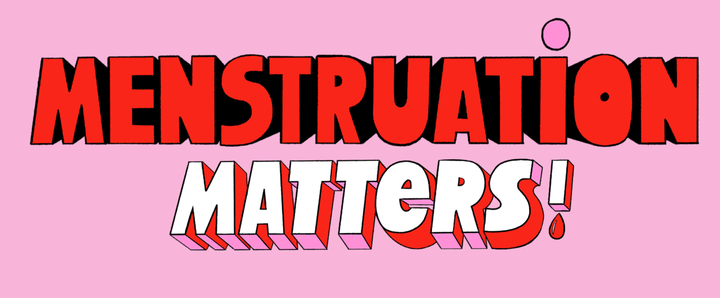 Free period products in NI schools #MenstruationMattersUnlike England, Scotland and Wales, NI still does not have a budget or scheme in place for free period products in all school toilets. Yet again, we have been left behind. Schools already provide free toilet roll, hand soap, hand towels and sanitary waste disposal bins in toilets. What makes period products any different? We firmly believe that any toilet that requires toilet roll, requires period products in exactly the same way. In June 2020, a Plan international UK study showed how 3 in 10 UK girls have struggled to afford or access sanitary wear during lockdown, with over half (54%) of these girls having used toilet paper as an alternative. There is no doubt that period poverty has been exacerbated as a result of the current pandemic and the need to maintain good hygiene has never been more important. Due to extensive job losses, an increase in people using food banks, and many other local support services being cut, families have been hard hit and are under more financial pressure than ever. At the Homeless Period Belfast, we have seen an exponential increase in demand and requests for our own period packs. In April – June 2020 we received 3 times the demand than previous years. Now, more than ever, a free period products scheme in schools across NI will relieve the financial pressure on parents and students purchasing these items. It will also alleviate the pressure of school students having to remember to carry period products in their bags when there are many other things to worry about and remember to bring (exams, books, homework, hand sanitiser/masks, bus passes etc.), meaning students can go about their daily lives without getting caught out. Free period products in schools will ensure that every young person can learn and be their very best, without the worry of their next pad or tampon holding them back.4,763 of 5,000 SignaturesCreated by Homeless Period Belfast
 -
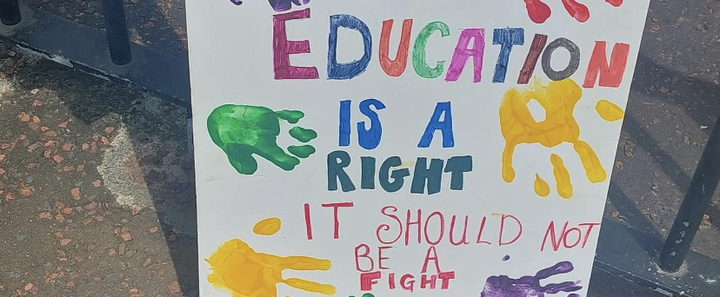 SEN Reform in Northern Ireland: URGENT ACTION REQUIREDAll children can learn. All children have a right to an education and we need to stand up for some of the most vulnerable children in our community who are being denied an education.7 of 100 SignaturesCreated by Emma Morgan
 -
Tell Libraries NI, Keep Stocking LGBTQ+-positive Books!Books and other media with LGBTQ+ themes are extremely important for young people who may be struggling to understand their own identity, as it gives them role models to look up to and allows them an opportunity to see people like them in the stories they enjoy! Book bans, like the one being pushed by prominent Unionist politicians including MP Carla Lockhart are also incredibly discriminatory and hypocritical [1] - representation of non- heterosexual relationships should no more be banned from Libraries than heterosexual/cis gender relationships. A child will not become gay or be "transed" by reading a book with a gay or trans character included. We must not allow bigoted bad actors to import American culture war nonsense to Northern Ireland. [1] https://www.newsletter.co.uk/education/dup-mp-carla-lockhart-calls-for-the-immediate-re[…]ildrens-books-from-northern-irish-public-libraries-456248511 of 100 SignaturesCreated by Noah Shively-Blinn
-
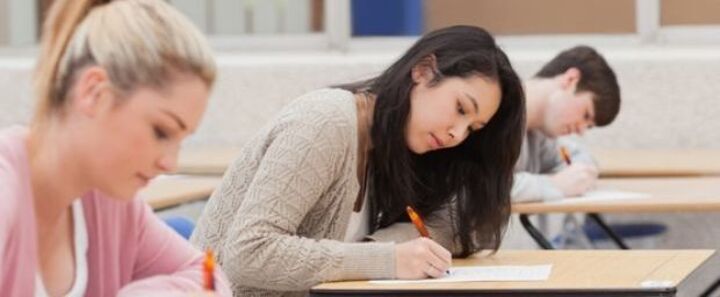 Fix the A-Levels Fiasco37% of A-Level students in NI have had their grades lowered, because of the 'standardisation' process put in place by CCEA. The Minister is feeling the pressure. Today (17th August) he announced that teachers grades would be used for the GCSE results. The Assembly has been recalled. Decisions are being made now by universities that will have huge repercussions for the lives and futures of students. Leaving it to the appeals process is not enough. Pupils in England, Scotland and Wales, have been guaranteed results no lower than their AS grades, or had their 'moderated' grades scrapped. Action must be taken now to fix the A-Levels Fiasco. https://www.bbc.co.uk/news/uk-northern-ireland-53767773125 of 200 SignaturesCreated by Nicola Browne
 -
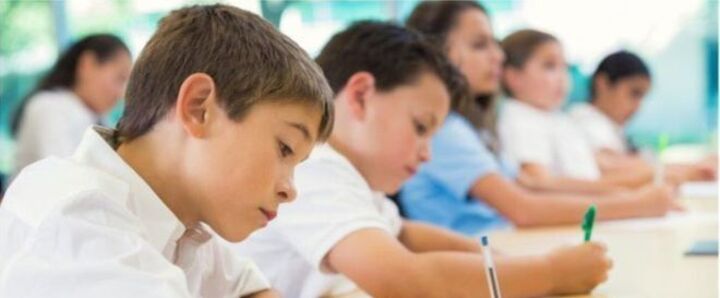 Stop the Transfer TestOur children's mental health is being put at risk by the failure to put them first, and drop the transfer test. Young children of 10 and 11 should not be made to sit tests in the midst of a pandemic. The absence of the formal education setting means that those impacted by poverty will be even more disadvantaged, and put under additional mental health stress.34 of 100 SignaturesCreated by Nicola Browne
 -
 #BringChangeThere is a great deal of concern from parents, teachers, principals and elected members of the Northern Ireland Assembly about the current private system of transfer tests and particularly during this pandemic year.61 of 100 SignaturesCreated by Naomi McBurney
.png)